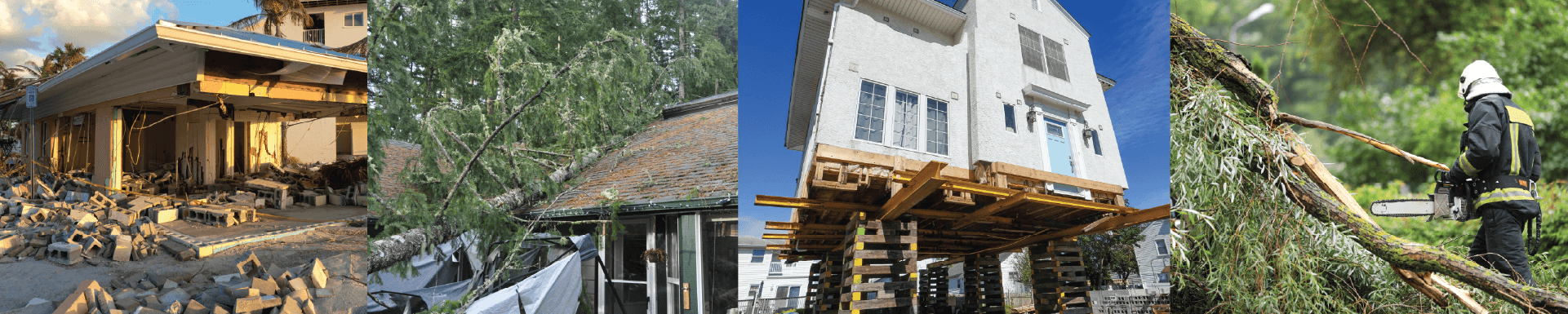
Lessons Learned After Disasters
Case studies and insights from past disaster responses
FEMA's Building Science Disaster Support (BSDS) Program
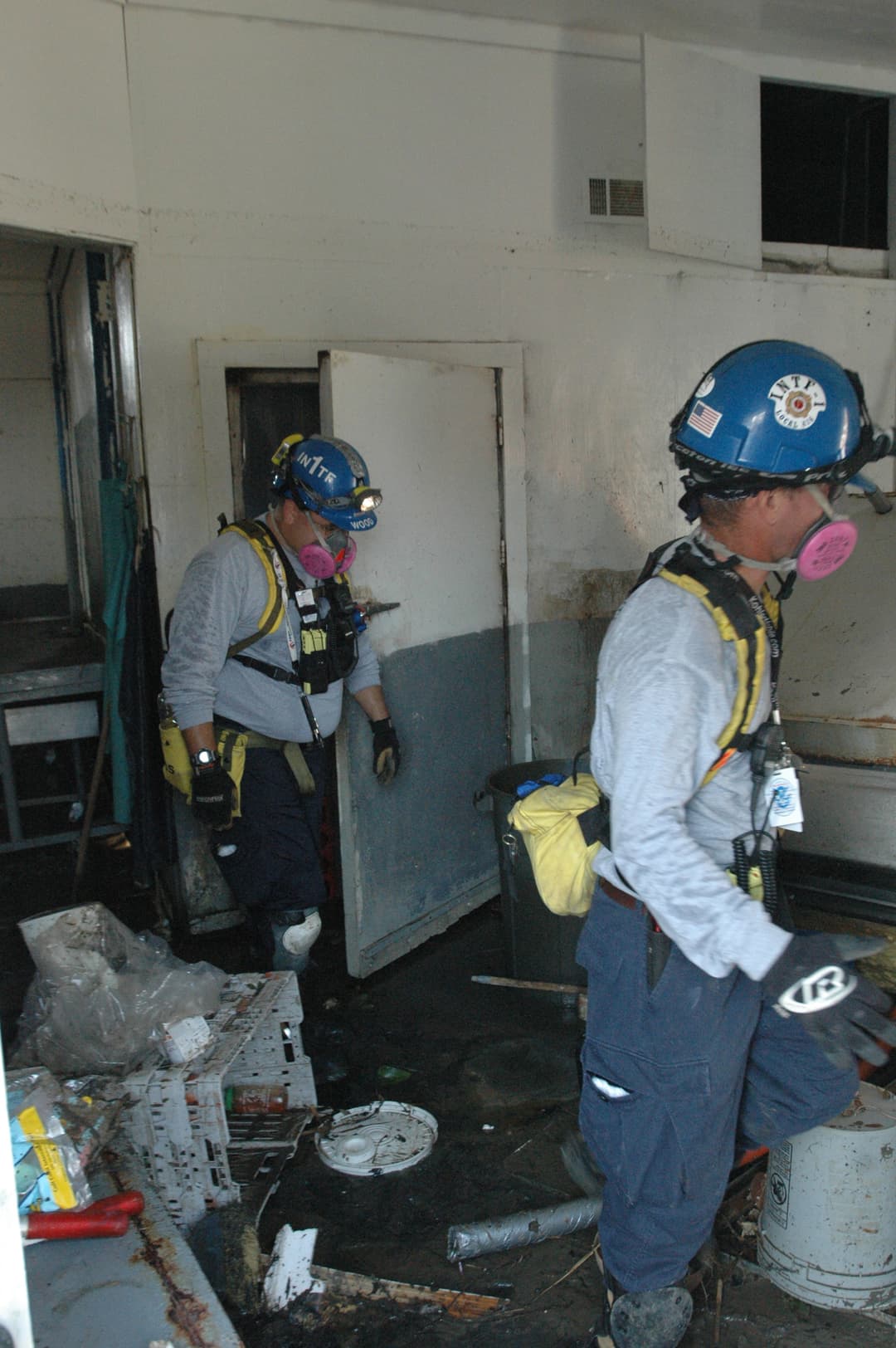
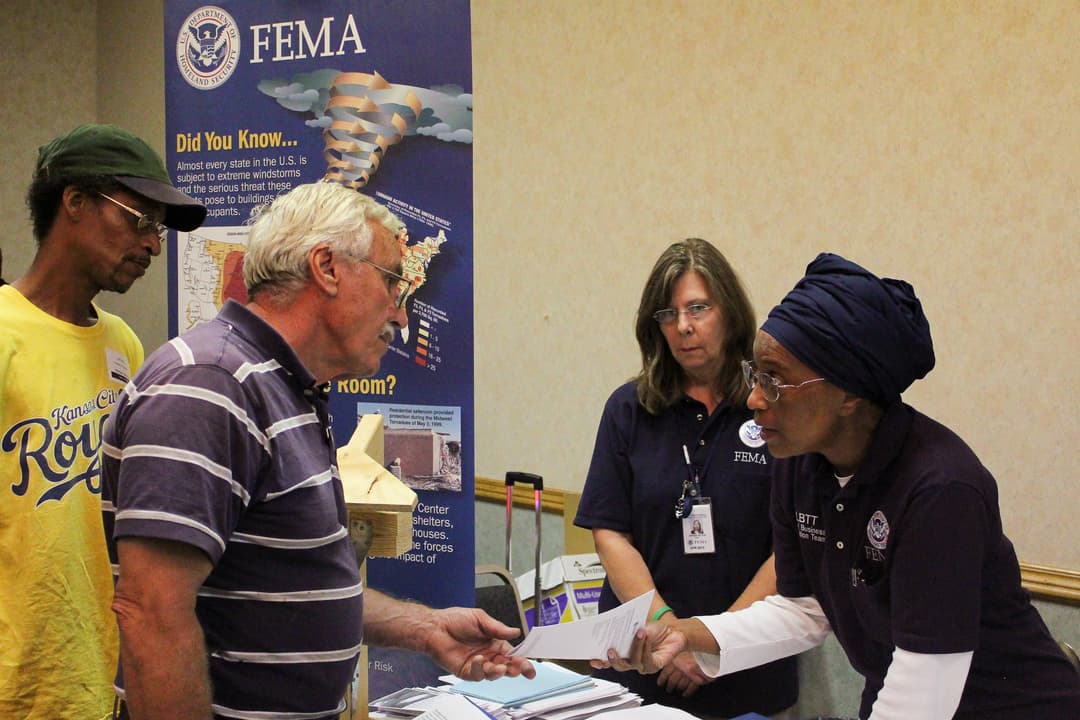
FEMA's Building Science Disaster Support (BSDS) program, formerly known as the Mitigation Assessment Team (MAT) and Building Performance Assessment Team (BPAT), sends architects, engineers and other experts to disaster zones. These teams "evaluate the performance of buildings, other structures, and associated community lifelines" and work with local officials to develop resilience recommendations. In other words, they answer the hard questions: What failed and why? How can we rebuild better? Their findings are captured in FEMA reports and advisories, which then help shape stronger building codes, safer planning and smarter recovery nationwide.
Disaster Snapshots
Hurricane Andrew (1992)
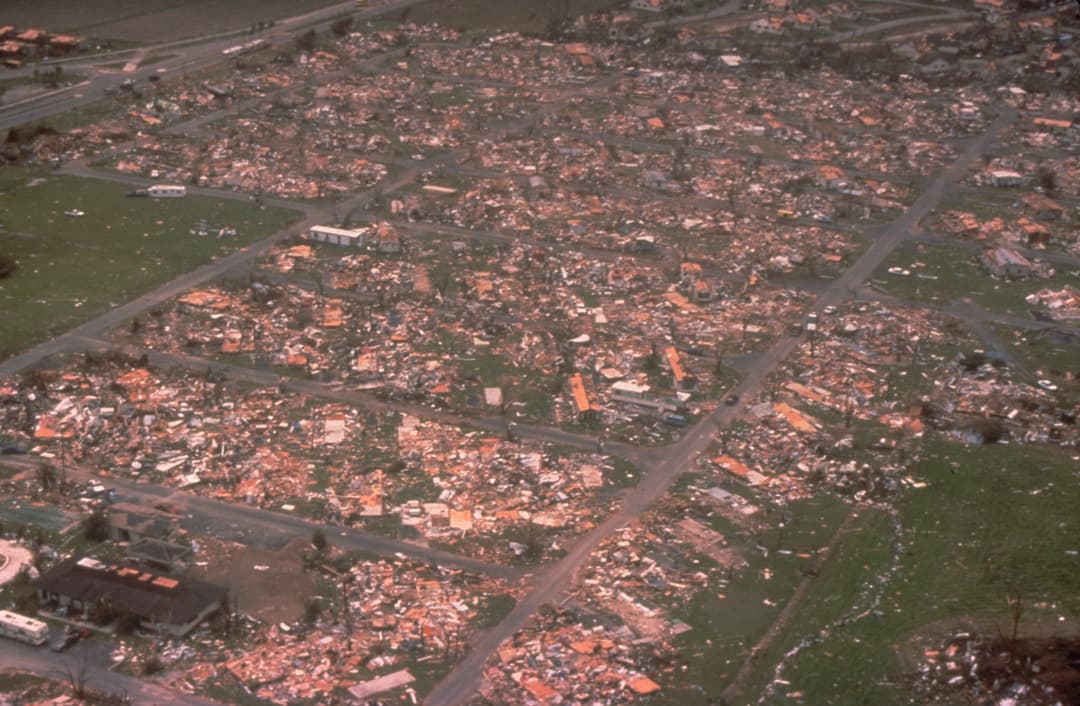
Hurricane Andrew (Aug 24, 1992) made landfall as a Category 5 in Miami, decimating tens of thousands of homes. FEMA's MAT quickly flew in to inspect the wreckage. They found countless failures, roofs ripped off foundations, walls blown over, tie-downs missing, even in structures that met then-current codes. Their report (FEMA P-22) led Florida to adopt a new high-wind building code (1994 South Florida Code) and later a statewide code (2002 Florida Building Code) requiring hurricane clips, shutters and stronger connections. Homes rebuilt under the new rules have fared far better in later storms, protecting families and reducing damages.
Hurricane Katrina (2005)
Hurricane Katrina (Aug 29, 2005) brought a record storm surge and levee failures, flooding 80% of New Orleans and destroying vast sections of the Gulf Coast. FEMA deployed MATs to Louisiana, Mississippi and Alabama to study why damage was so severe. They observed that storm surge, not wind, was the main culprit, sweeping homes off foundations, but also noted heavy wind damage to roofs and walls in unflooded areas. FEMA's Katrina report (FEMA P-549) and published guidelines emphasized flood-resistant construction and retrofits. Importantly, all three affected states soon adopted modern building codes (they had none before Katrina) and raised flood-elevation requirements. Today, higher base flood elevations and stronger coastal codes mean Gulf Coast homes are built to withstand hurricanes far better than before.
Joplin Tornado (2011)
Joplin Tornado (May 22, 2011), one of the nation's deadliest tornadoes, leveled much of the city. FEMA's building science teams joined NIST to survey the damage. Their report on the Spring 2011 tornadoes (FEMA P-908) documents that many homes failed because they weren't anchored to foundations: roofs and walls peeled off, while sturdier homes with bolts and clips held together much better. Almost all weak, wood-frame and manufactured homes were destroyed. The MAT found that well-built storm shelters saved lives. These lessons reinforced FEMA safe-room guidelines (FEMA P-320 and P-361) and led to tougher anchoring requirements in local wind codes. Today, more Midwestern communities encourage tornado shelters and "anchor bolt" retrofits thanks to Joplin's example.
Hurricane Charley (2004)
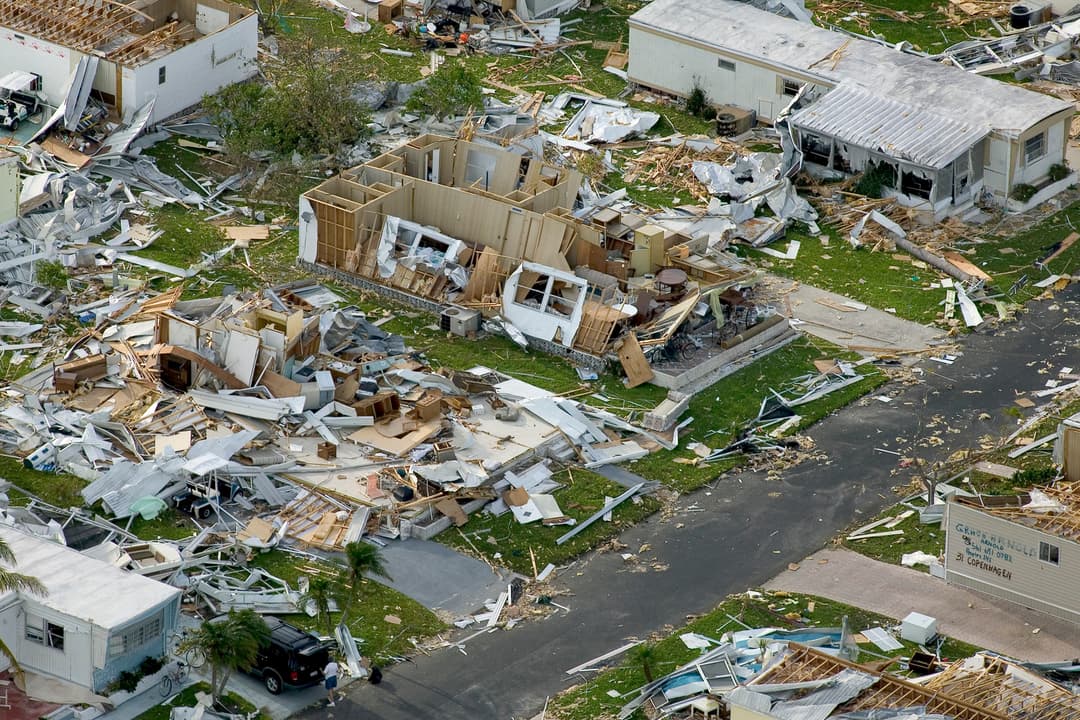
Hurricane Charley (Aug 13, 2004) was a fast-moving Cat 4 that struck southwest Florida. FEMA's MAT team inspected hundreds of homes in Charley's path. They found that concrete-block buildings and well-tied roofs survived much better than many wood-frame homes, which often lost roofs and walls. Aerial photos (like the one above) revealed whole neighborhoods flattened. FEMA's Charley report (FEMA P-488) identified weak roof connections and garage doors as critical failure points. Florida already had a post-Andrew code in place, but Charley's findings led to the 2007 Florida code update requiring hurricane straps on every rafter and stronger wall-to-foundation ties. The result: today's Florida homes incorporate Charley's lessons through heavier roof clips, impact-rated doors, and engineered connectors, making them significantly more wind-resistant.
2017 Hurricane Season (Harvey, Irma, Maria)
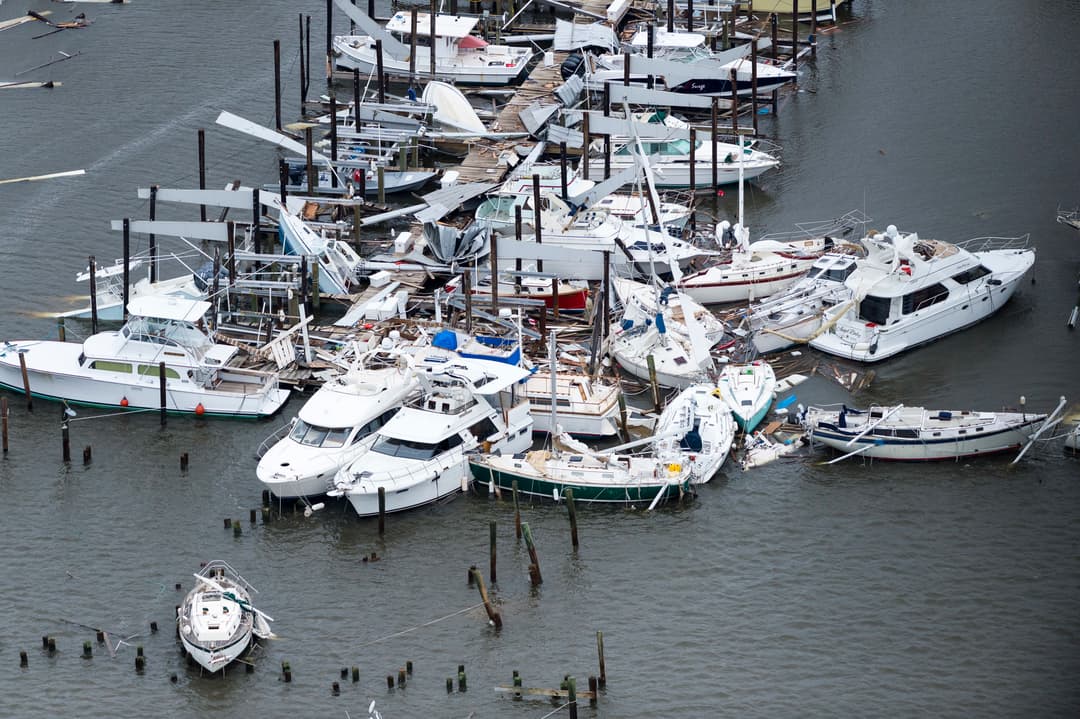
2017 Hurricane Season (Harvey, Irma, Maria) brought a trifecta of disasters. FEMA deployed assessment teams to each: Texas after Harvey's unprecedented flooding, Florida and the Caribbean after Irma's winds, and Puerto Rico after Maria's destruction. For Harvey, the MAT learned that even well-built homes flooded when rainfall exceeded drainage systems. For Irma and Maria, they saw that strong codes helped many buildings survive but that weak roof sheathing and unprotected openings failed. FEMA published reports on all three (FEMA P-2022, P-2020). These documented best practices that states have since adopted, including the value of continuous load paths and freeboard above flood levels. In response, Texas raised floor elevations in flood zones, Florida added garage door and shutter requirements, and Puerto Rico is now planning a hurricane-ready building code. In all cases, these changes are translating into safer rebuilds and more resilient communities.
Hurricane Ian (2022)
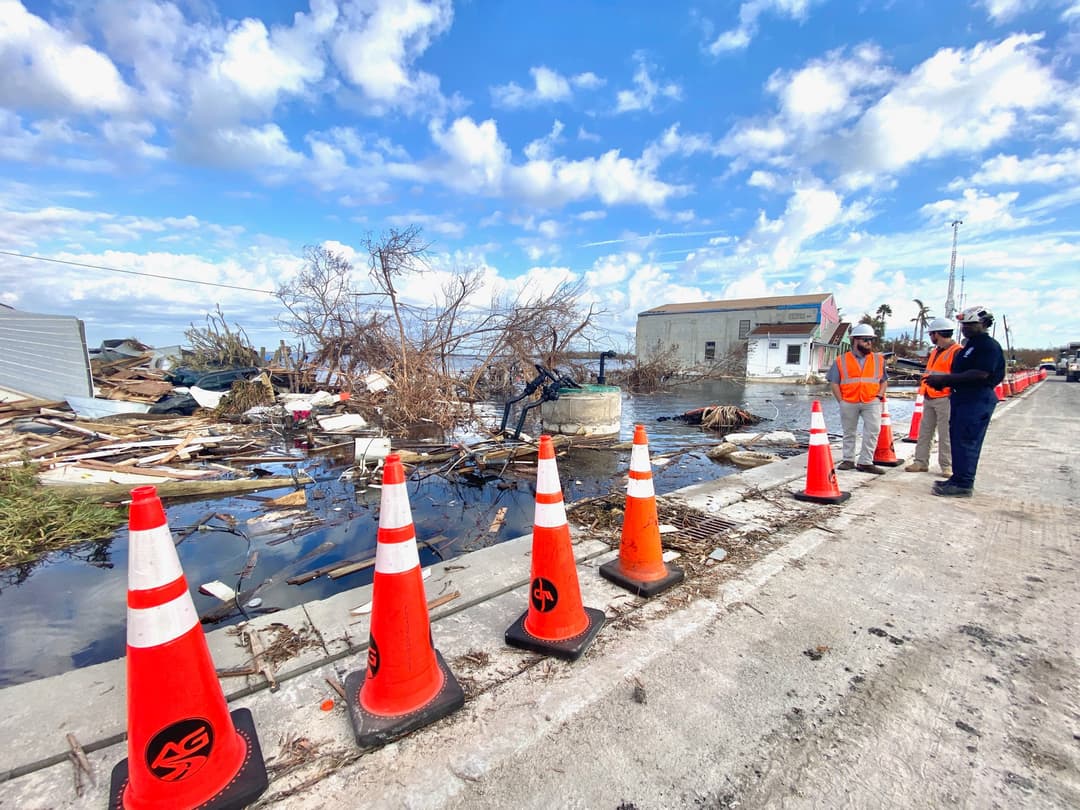
Hurricane Ian (Sept 28, 2022) struck Southwest Florida as a catastrophic Cat 4. FEMA's MAT quickly joined local response teams. In the field, they highlighted key issues. Upgraded tie-downs and anchor bolts on older mobile homes were tied to far less wind damage. They also noted that even modestly raised houses (with utilities above flood level) suffered much less water damage, and that properly built safe rooms and shelters saved lives. FEMA's Ian report (FEMA P-2342) and outreach emphasized these points. As a direct result, Florida expanded mobile-home tie-down grants and is updating its codes for elevated utilities. These changes, along with stronger community outreach, are already making places like Fort Myers safer for the next storm.
Maui Wildfires (2023)
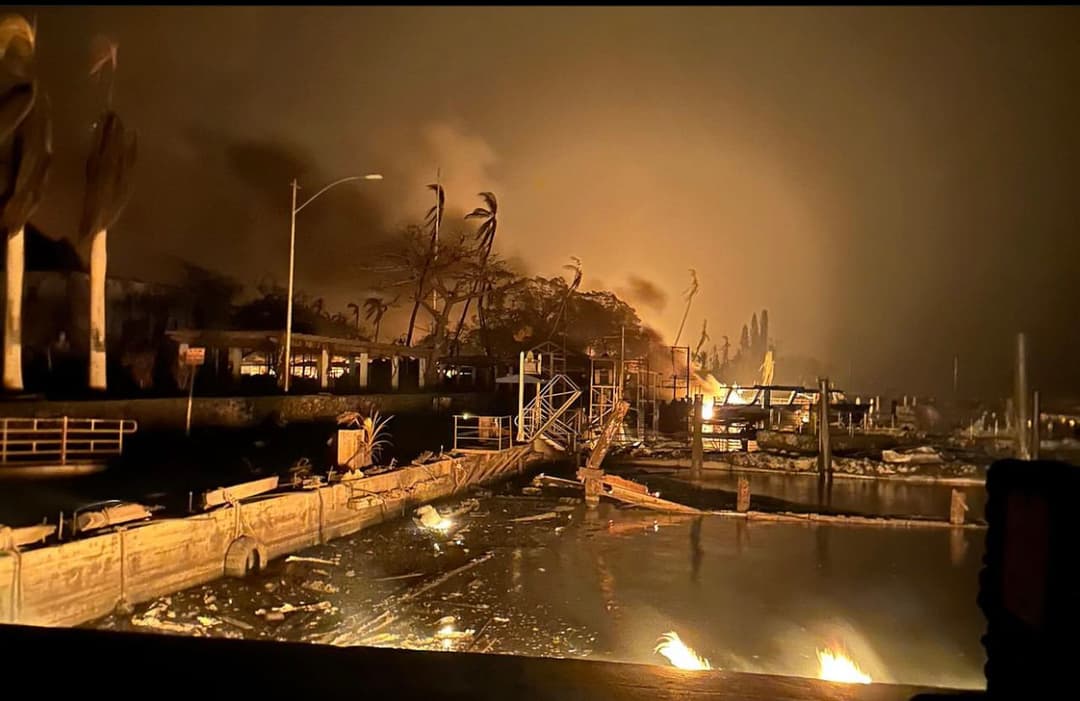
Maui Wildfires (Aug 2023) were an unprecedented disaster in Hawaii. FEMA's experts (including wildfire specialists) flew in immediately to investigate. They discovered that embers ignited homes through their roofs and vents, and that wooden decks, fences and nearby grasses fueled the spread. FEMA's Maui report finds that Class C asphalt shingle roofs and unprotected attic vents failed quickly, while Class A roofs and metal vents performed much better. The team's recommendations, requiring Class A roofing on new construction, using ember-resistant vents, and clearing defensible space around homes, are now guiding Maui's rebuilding. These measures, now becoming law and practice in Hawaii, aim to turn future wildfires into more contained events rather than town-wreckers.