Resources
Featured guides
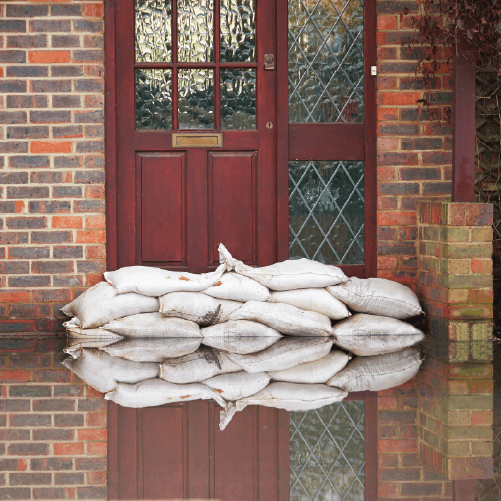
Tips for Home & Everyday Preparedness
Practical advice and best practices for disaster preparedness

Community Officials & Planners
Tools and guides for community resilience and planning
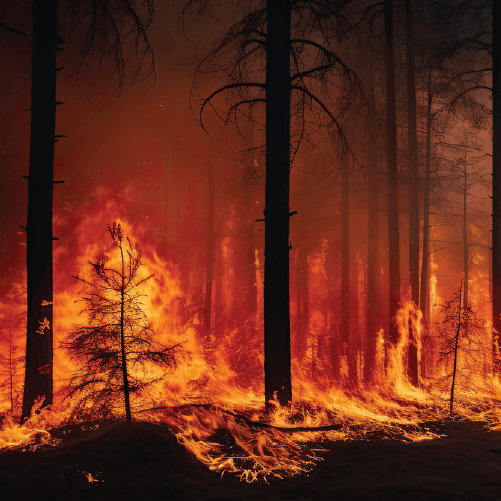
Wildfire Mitigation
Wildfire prevention and protection strategies

Drinking Water Security
Guidelines for protecting and maintaining water infrastructure
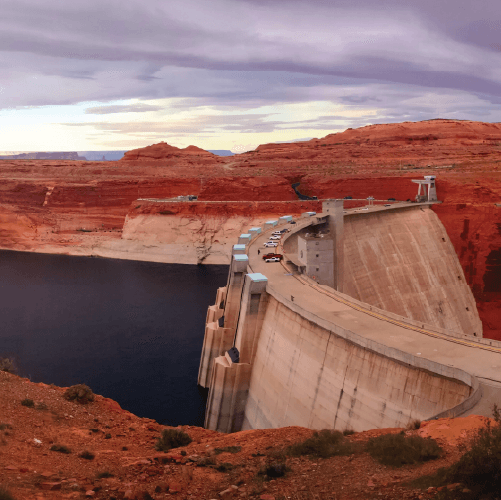
Dam Safety & Management
Resources for dam inspection, maintenance, and emergency response
Filter Resources
All Resources
Showing 1-9 of 432 resources
Floods: Ready Gov
This resource provides comprehensive guidance for individuals and households to prepare for, respond to, and recover from flood events. It covers actions to take before, during, and after floods, including protecting property, evacuation planning, and safety measures for building occupants. The site also offers information on flood insurance, property protection techniques such as installing check valves and sump pumps, and safe cleanup practices after flooding. Additional resources include checklists, toolkits, and links to the National Flood Insurance Program.
Emergency PreparednessPublic
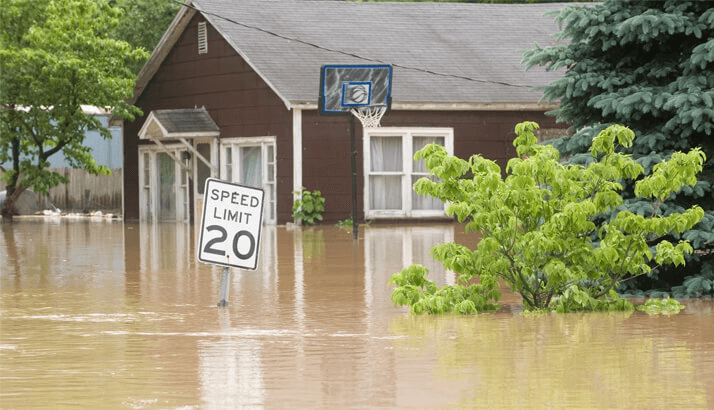
Flood Safety Learn how to keep your family safe during a flood, and how to clean up a flooded home
This resource provides practical guidance for homeowners and residents on preparing for, staying safe during, and cleaning up after a flood. It includes information on understanding flood risks, evacuation planning, and health and safety precautions related to floodwater, mold, and contaminated materials in residential buildings. The resource offers checklists, videos, and tips for protecting vulnerable groups and managing post-flood cleanup safely. Emphasis is placed on personal safety, property protection, and preventing health hazards in homes affected by flooding.
Emergency PreparednessPublic
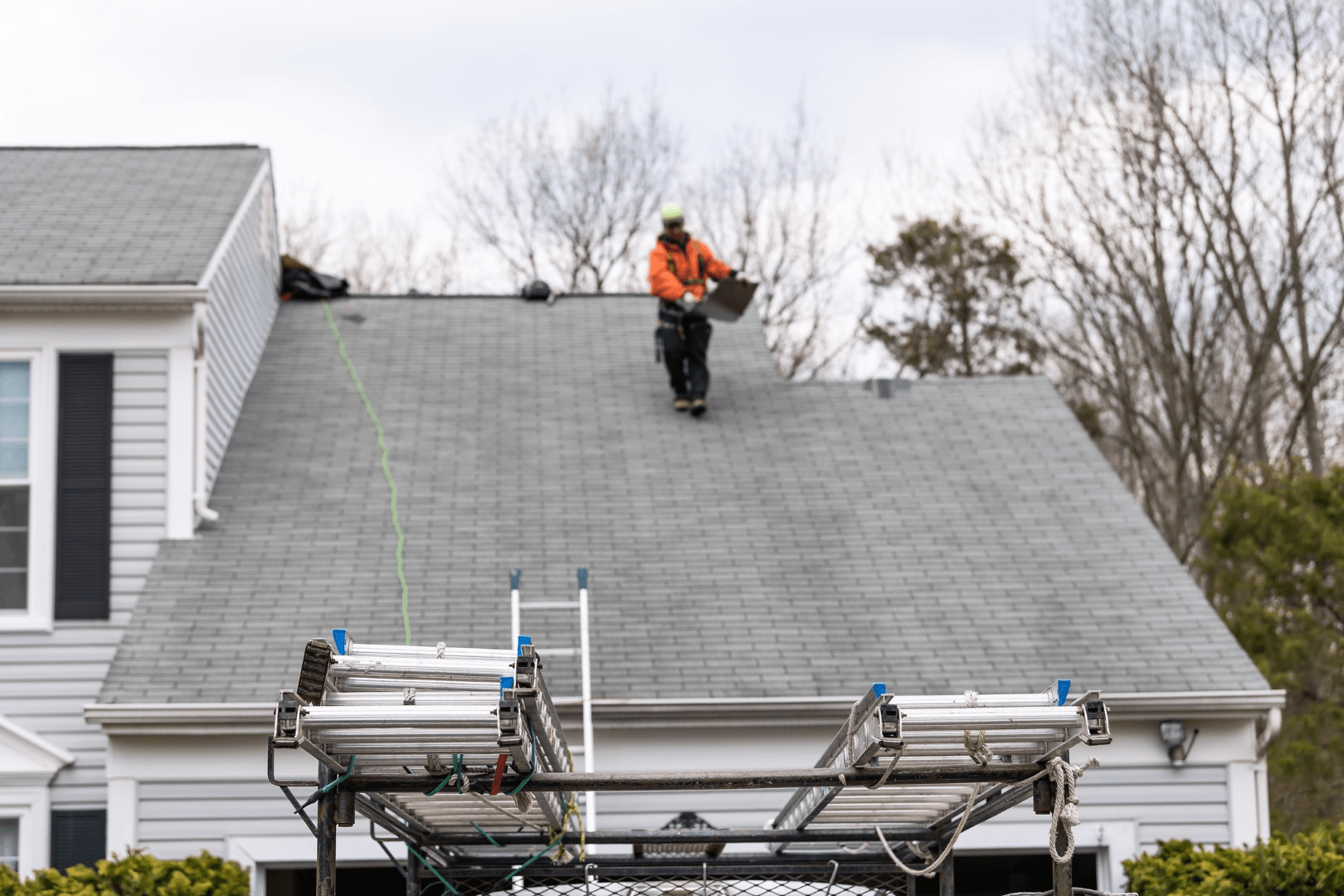
Home Upgrades to Further Protect Against Severe Thunderstorms
Severe thunderstorms cause billions of dollars in insured property damage each year. Homes built using strong construction methods can better withstand severe weather and reduce the damage, disruption, and displacement caused by severe weather.
Mitigation & PlanningPublic
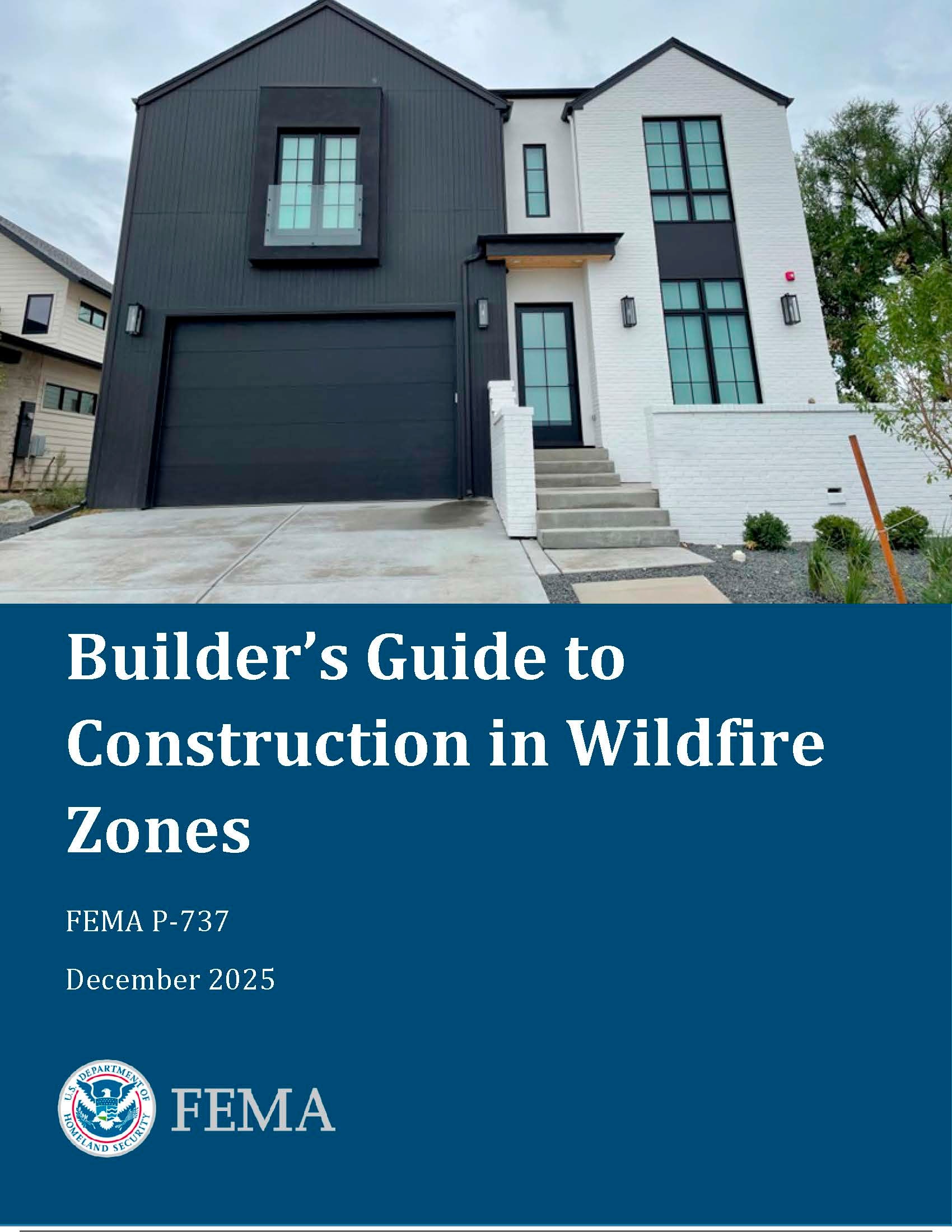
Home Builder's Guide to Construction in Wildfire Zones (FEMA P-737)
This guide provides technical guidance for building professionals on constructing resilient structures in wildfire-prone areas. It addresses risk assessment, planning, site selection, creation of defensible space, and structural hardening techniques to reduce wildfire risks in the wildland-urban interface. The resource is intended for use by those involved in residential construction and mitigation in wildfire zones.
Design & ConstructionBuilding Professionals
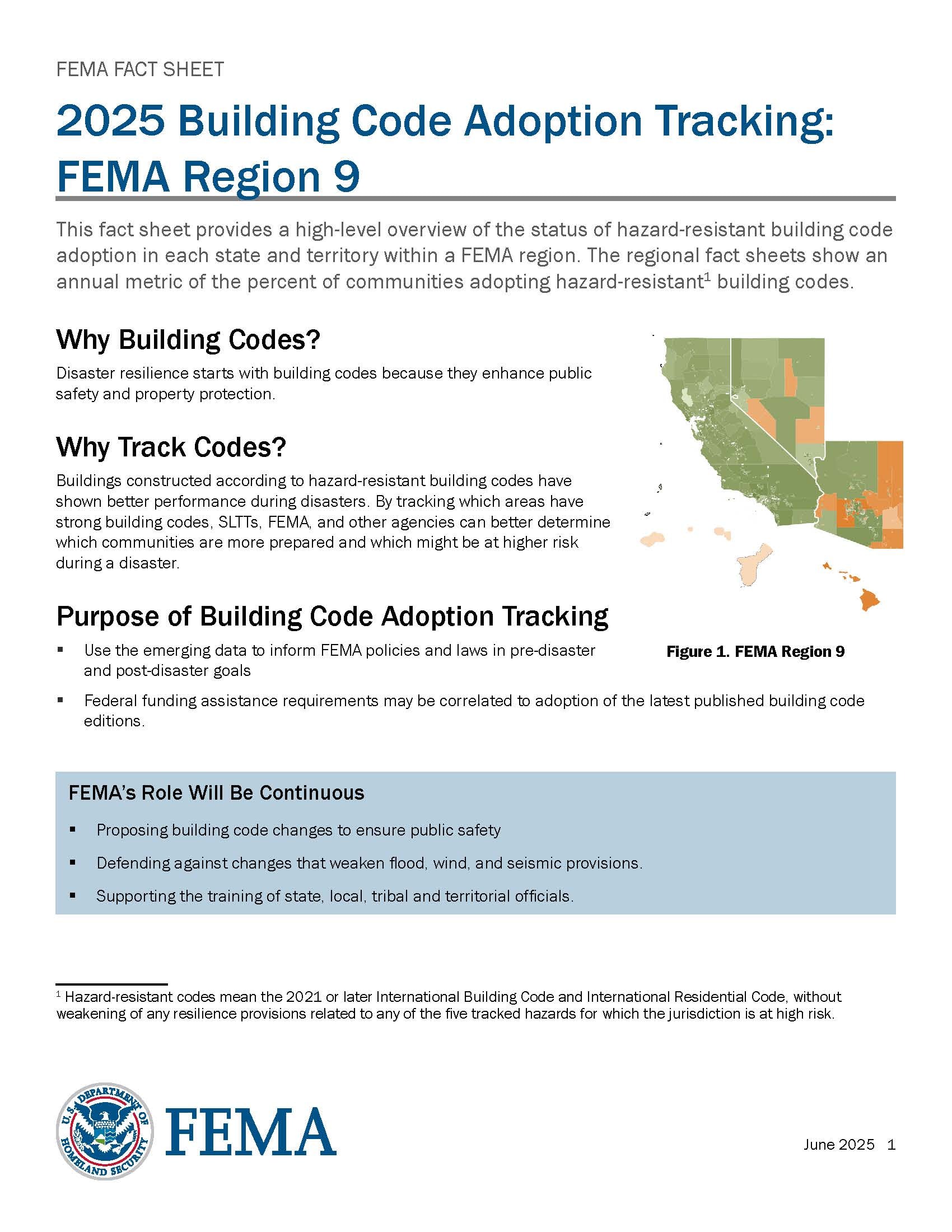
2025 Building Code Adoption Tracking: FEMA Region 9
This fact sheet summarizes the status of hazard-resistant building code adoption across states and territories in FEMA Region 9 as of 2025. It presents annual metrics on the percentage of communities adopting the 2021 or later International Building Code (IBC) and International Residential Code (IRC) without weakening resilience provisions for high-risk hazards. The document details state and territory adoption levels, code strengths or weaknesses, and the population protected by up-to-date codes for flood, wind, hurricane, and seismic risks. It is intended to inform policy, funding, and resilience planning for building safety in the region.
Regulatory ComplianceBuilding Professionals
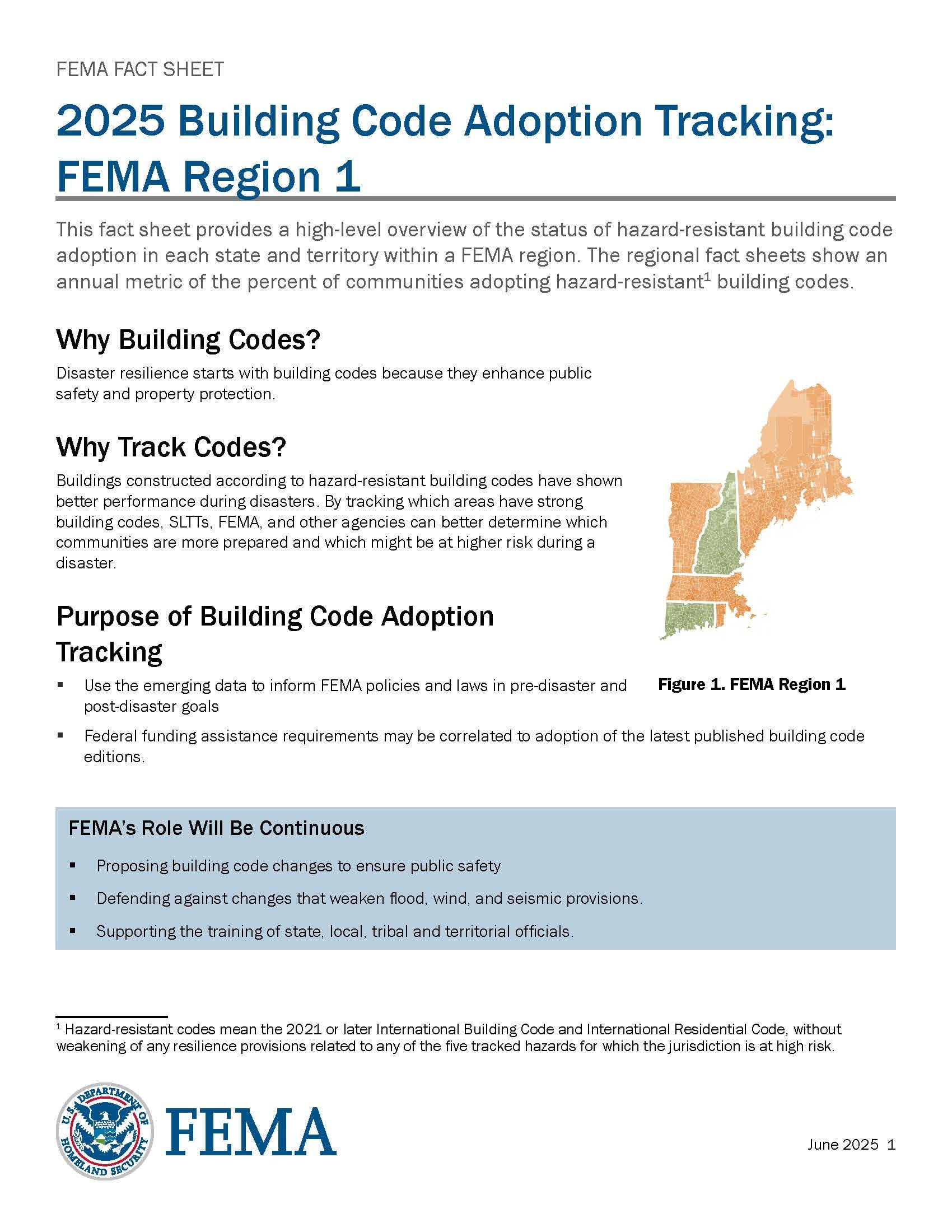
2025 Building Code Adoption Tracking: FEMA Region 1
This fact sheet summarizes the adoption status of hazard-resistant building codes across states in FEMA Region 1, focusing on the use of the 2021 or later International Building Code (IBC) and International Residential Code (IRC). It provides annual metrics on the percentage of communities in each state that have adopted these codes, with specific notes on code strengths and weaknesses related to flood, wind, and hurricane hazards. The document highlights how code adoption correlates with disaster resilience and informs federal and state policy, funding, and preparedness efforts. State-by-state details include adoption rates, population coverage, and notable amendments affecting hazard resistance.
Regulatory ComplianceBuilding Professionals
2025 Building Code Adoption Tracking: FEMA Region 2
This fact sheet summarizes the adoption status of hazard-resistant building codes in FEMA Region 2, covering New Jersey, New York, Puerto Rico, and the U.S. Virgin Islands. It reports the percentage of communities in each jurisdiction that have adopted the 2021 or later International Building Code (IBC) and International Residential Code (IRC), with notes on amendments and participation in the National Flood Insurance Program (NFIP). The document highlights the relationship between code adoption, disaster resilience, and eligibility for federal funding. It is intended to inform state, local, tribal, and territorial officials, as well as other stakeholders, about regional progress and gaps in building code adoption for flood, wind, hurricane, tornado, and seismic hazards.
Mitigation & PlanningCommunity Officials
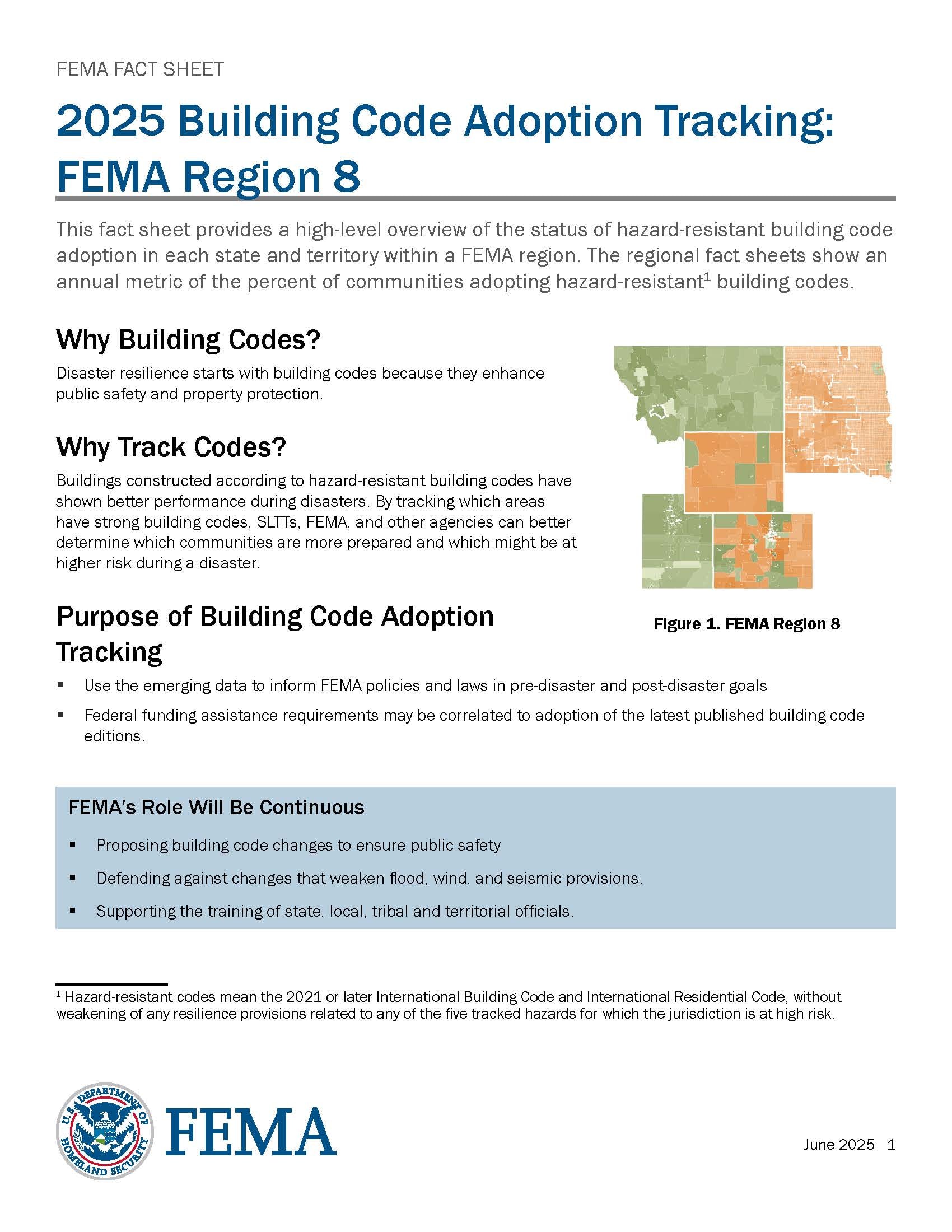
2025 Building Code Adoption Tracking: FEMA Region 8
This fact sheet summarizes the status of hazard-resistant building code adoption across states and territories in FEMA Region 8. It presents an annual metric showing the percentage of communities that have adopted such codes, providing a regional snapshot of code implementation for disaster resilience.
Mitigation & PlanningBuilding Professionals
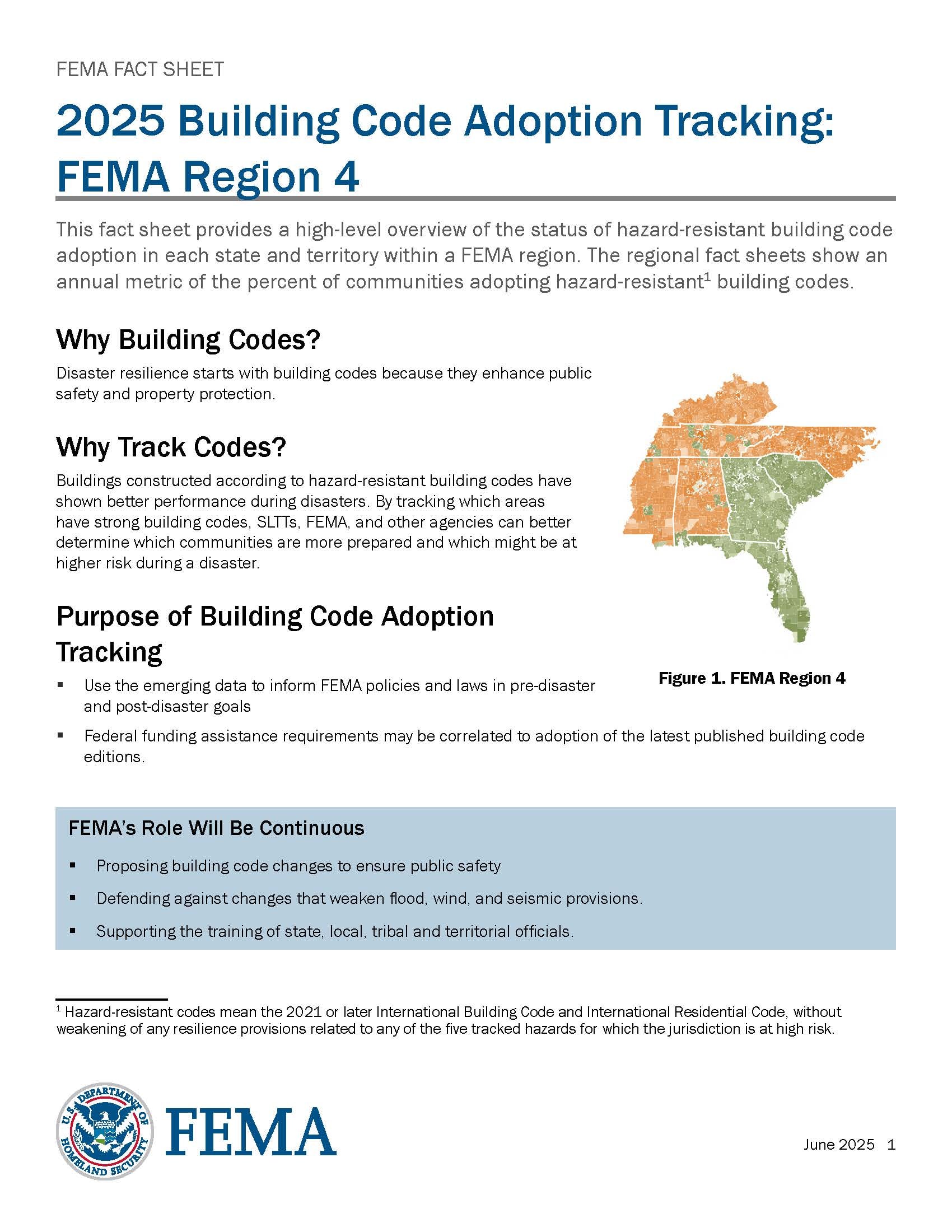
2025 Building Code Adoption Tracking: FEMA Region 4
This fact sheet summarizes the status of hazard-resistant building code adoption across states and territories in FEMA Region 4 as of 2025. It provides annual metrics on the percentage of communities adopting the latest International Building Code (IBC) and International Residential Code (IRC) editions, with details on code amendments and adoption rates by state. The document highlights how code adoption relates to resilience against flood, wind, hurricane, tornado, and seismic hazards, and identifies gaps in code coverage and enforcement. It is intended to inform state, local, tribal, and territorial officials, as well as FEMA and partner agencies, about regional progress and challenges in building code implementation.
Regulatory ComplianceBuilding Professionals